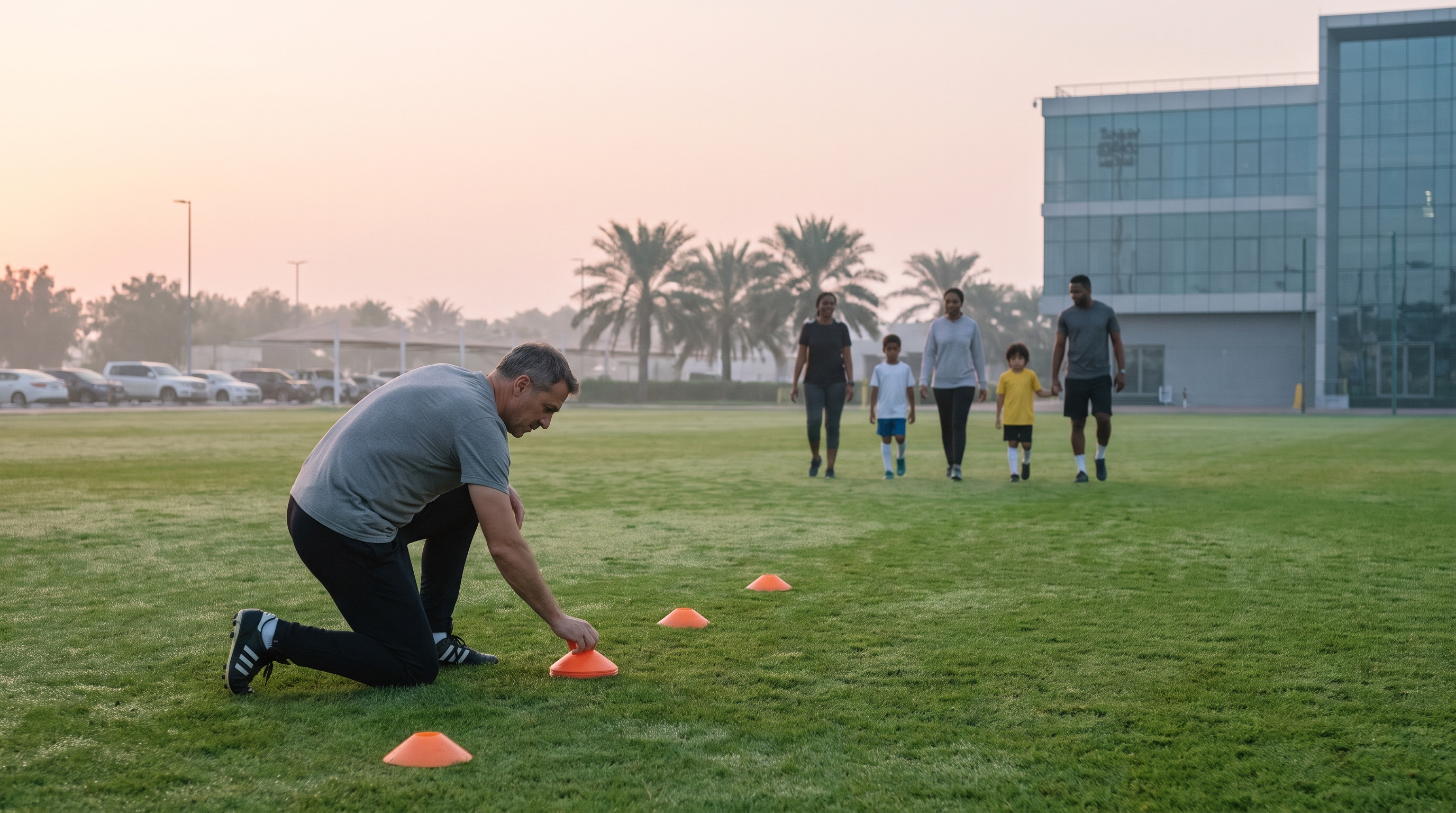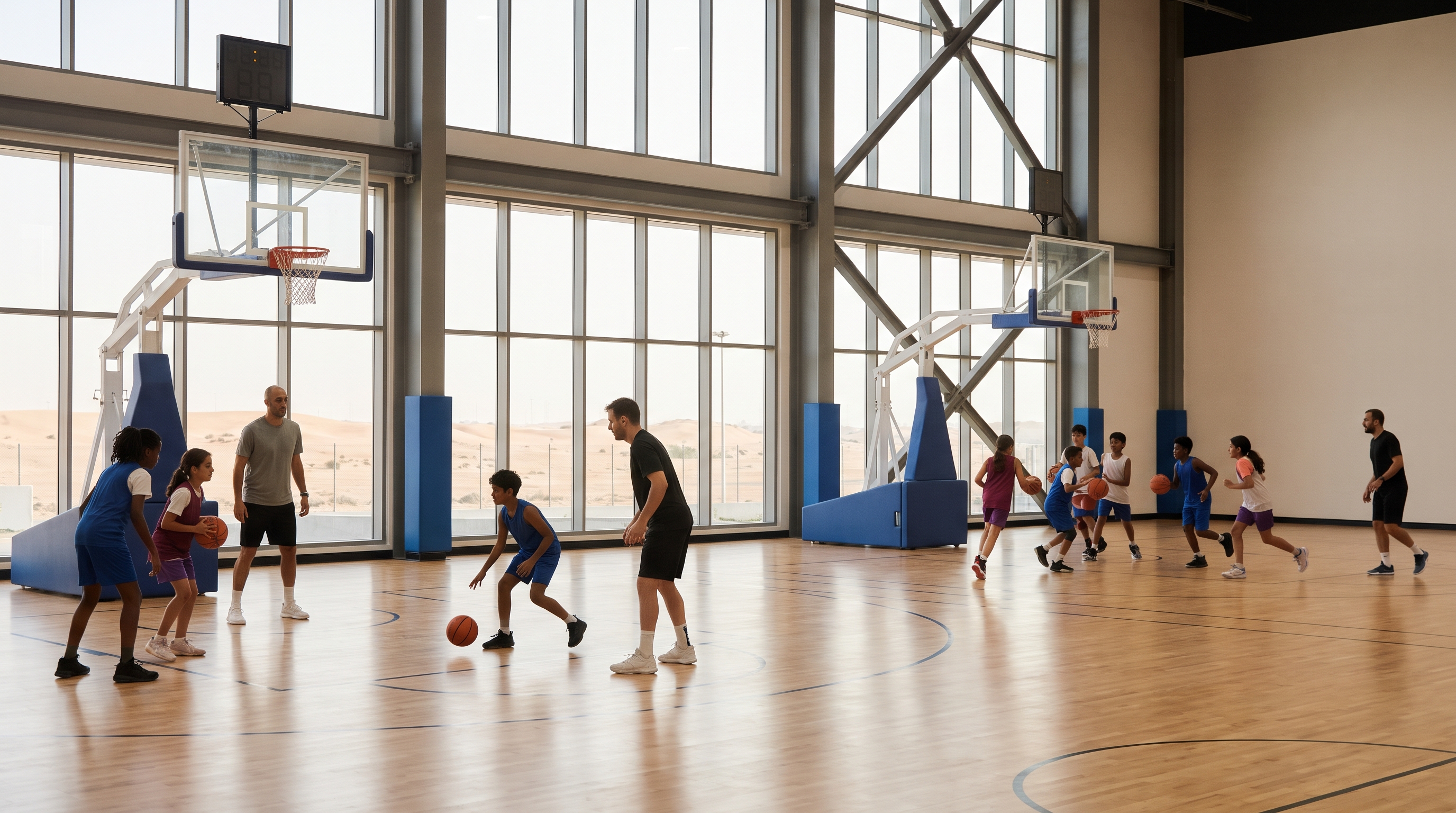
Key takeaways
- Young players need frequent touches, simple games and enjoyment before formal tactics.
- Ages 8 to 10 can develop passing, receiving, support and decision-making through small-sided football.
- Players around 11 to 14 can begin learning positions and team principles without being fixed in one role.
- Older players can work on position-specific details, transitions, set plays and match preparation.
- Parents understand progress better when coaches share observable behaviours rather than vague labels.
In this article
A useful football academy curriculum starts with enjoyment and ball mastery, then adds passing, small-sided decisions, positions and tactics as players become ready. The age bands should guide your plan, not restrict it: confidence, experience, physical development and the child’s interest also matter.
Do not present these stages as official standards. Use them as a practical framework for planning, then adapt them to your federation’s competition rules, safeguarding requirements and local conditions.
How should a football academy curriculum change by age?
The main change is the type of problem players solve. A four-year-old might solve “How do I stop the ball and turn?” An older player might solve “Where should I move when our full-back receives the ball?”
| Age band | Main emphasis | Useful game format |
|---|---|---|
| Under 7 | Fun, coordination and ball familiarity | 1v1, 2v2 and simple target games |
| 8 to 10 | Passing, receiving, support and decisions | 3v3, 4v4 and 5v5 |
| 11 to 14 | Positions, team principles and transitions | 5v5, 7v7 and 9v9 |
| 15 and older | Position-specific detail, tactics and match preparation | Small-sided games plus the academy’s match format |
Keep the ball active. A session with three short games and repeated decisions usually gives players more useful practice than a long queue for one drill.
What should under-7 football sessions teach?
Under-7 sessions should teach children to enjoy the ball, move safely and try basic actions without fear of mistakes. The coach should use simple language, demonstrations and plenty of turns.
Core skills
- Stopping and starting with the ball.
- Dribbling with either foot and changing direction.
- Turning away from pressure.
- Simple passing over a short distance.
- Stopping the ball with the sole or inside of the foot.
- Basic movement: running, jumping, balancing and changing speed.
Example 50-minute session
- 10 minutes: arrival game, with each child dribbling in a marked area and trying different turns.
- 10 minutes: coach-led “traffic lights”: stop, go, change direction and protect the ball.
- 15 minutes: 1v1 to two small goals, with a new defender every minute.
- 10 minutes: 2v2 game where players score by dribbling over an end line.
- 5 minutes: free play and one simple question, such as “Which turn helped you get away?”
For a group of 12, use four small areas or three 2v2 games so children are rarely waiting. Avoid long explanations and avoid making winning the only measure of success.
What should ages 8 to 10 learn through games?
Players from about 8 to 10 can learn passing and receiving, but the best setting is still a small-sided game where they must decide when and where to use those skills.
Build these habits
- Look before receiving the ball.
- Use the first touch away from pressure.
- Pass with an appropriate speed and direction.
- Move after passing instead of watching the ball.
- Create width and provide a forward or sideways option.
- React quickly when possession changes.
Example 70-minute session
- 10 minutes: pairs pass through gates, changing the distance and receiving foot.
- 15 minutes: 3v1 or 4v1 possession, with defenders rotating after a short turn.
- 15 minutes: 3v3 plus two neutral players, rewarding a pass into a target player.
- 20 minutes: 5v5 to two goals, with the coach pausing briefly to ask where the next pass could go.
- 10 minutes: a repeat game with one change, such as a bonus for switching play.
Give one coaching point at a time. For example, tell Sara, “After you pass, move to the side so Omar can see you,” rather than listing five corrections. Rotate players through different areas and roles; do not assign one position permanently at this stage.
What should ages 11 to 14 learn about positions?
At 11 to 14, players can begin learning positions and team principles while still experiencing more than one role. Teach the reason for a movement, not just a place to stand.
Useful team principles
- When your team has the ball: create width, offer depth, support the ball and make forward runs.
- When your team loses the ball: react quickly, protect the central area and delay the opponent where possible.
- When your team wins the ball: look forward if the option is safe, or keep possession and reorganise.
- Near the ball: support the player in possession and give clear information.
- Far from the ball: stay connected to teammates and watch for space or danger.
Example 80-minute session
- 15 minutes: passing pattern with a defender adding pressure, including movement after every pass.
- 15 minutes: 4v4 plus goalkeepers, with teams trying to play from a goalkeeper or target player.
- 20 minutes: 7v7 with a challenge to build from the back and find a wide player.
- 20 minutes: transition game: the team has six seconds to counter after winning the ball.
- 10 minutes: guided review using two questions: “What created space?” and “How did we recover it?”
A player who normally plays centre-back might spend part of the session as a midfielder. This develops scanning and decision-making and prevents the curriculum from becoming a list of fixed positions too early.
How should older players prepare for team football?
From about 15 onward, add more detail without losing the technical foundation. The content can include position-specific actions, match plans, transitions, set plays and communication, but the exact balance should reflect the academy’s level and competition schedule.
Possible focus areas
- Receiving under pressure and playing forward when appropriate.
- Defending 1v1, covering teammates and managing space behind the defence.
- Building attacks against a compact opponent.
- Recognising when to press, delay or recover shape.
- Position-specific actions, such as a midfielder checking away before receiving or a wide player timing a run behind the defence.
- Set-play roles, restarts and match-day communication.
Use a 90-minute session with 15 minutes of technical activation, 20 minutes on a position-specific problem, 25 minutes of a tactical practice, 25 minutes of a realistic game and 5 minutes of review. Keep tactical instructions connected to a match problem the players can recognise.
Do not measure older players only by goals, assists or match results. A defender who scans before receiving, communicates early and chooses a safe pass is showing progress even if the team loses.
How can you show football progress to parents?
Show progress through specific behaviours observed in training and matches, not broad labels such as “good” or “needs work”. Share two strengths, one next focus and one practical way the family can encourage the player.
Simple monthly progress note
- Technical: “Can now receive with the right foot and move away from pressure in small games.”
- Decision-making: “Usually looks for a forward pass, but needs to scan earlier before receiving.”
- Team play: “Moves after passing and offers a wide option.”
- Next focus: “Try to recover quickly when possession is lost.”
Use a short observation sheet with three to five priorities for each age band. For example, an under-7 note might cover ball control, confidence and listening. An under-13 note might cover scanning, support, transition reaction and understanding of the team plan.
Give feedback at a predictable time, such as once every four or six weeks, and use examples from the player’s actual session. Keep sensitive conversations private and follow your academy’s safeguarding and communication procedures.
If you want one place to manage groups, coaches, sessions, attendance and announcements, try MyClubAcademy. Its web admin panel also includes season reports, which can help your academy review player and team activity as part of its regular planning process.
Next step: Choose one age band, write three learning priorities, and build your next session around a small-sided game that gives players repeated chances to practise them.
Frequently asked questions
How many football sessions should each age group have per week?
There is no single schedule that suits every academy. A practical starting point is one or two coached sessions each week, with the youngest groups having shorter sessions and older players adding match play where facilities, school commitments and local conditions allow.
Should children be moved up if they are more advanced than their age group?
Consider the player’s technical ability, physical development, confidence and social readiness together. A player might join a more challenging activity for part of a session without permanently changing groups, but coaches should discuss the decision with the family and follow the academy’s safeguarding process.
When should a football academy choose specialist goalkeepers?
Introduce goalkeeper activities early as optional rotation, such as catching, rolling and safe movement, so every child can try the role. More consistent goalkeeper coaching can be added as players become interested and matches become more structured.
How should coaches adapt training in hot weather?
Follow guidance from the relevant football federation, venue and local authority, and consider medical advice for individual children. Adjust timing, breaks, hydration arrangements, clothing and session intensity rather than treating the normal plan as fixed.
MyClubAcademy
Put this into practice at your club
MyClubAcademy brings players, coaches, training sessions, QR attendance, subscriptions and chat into one admin panel, with iOS and Android apps for coaches and families.